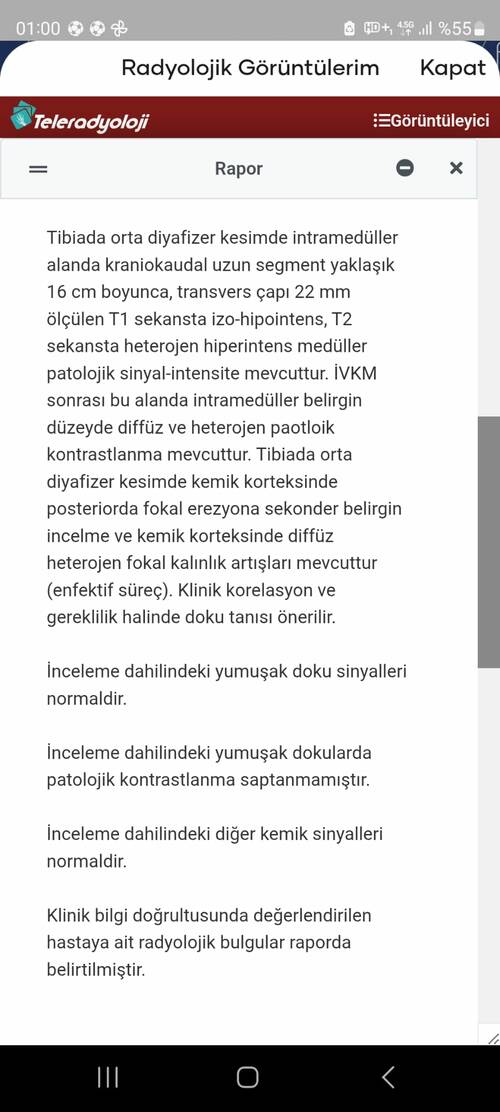
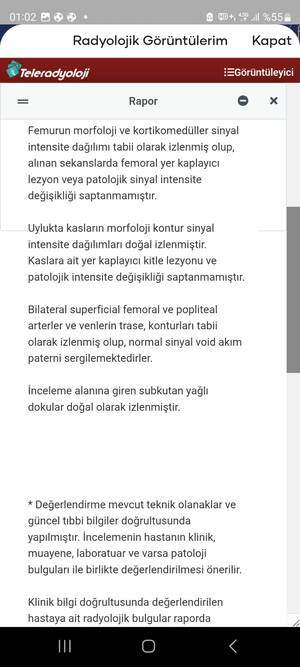
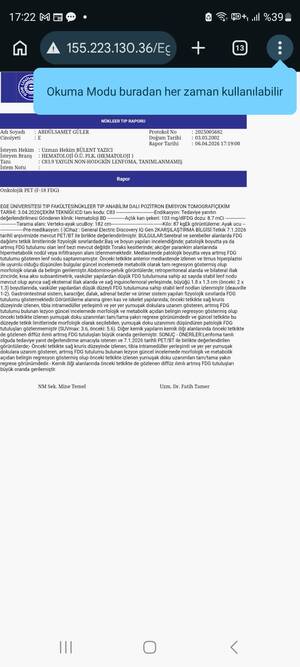
How should PET and MRI results be interpreted after autologous transplant for DLBCL with a 16 cm mass and mild uptake?
While I can't interpret your specific scan results, I can help you understand what these tests generally show after an autologous bone marrow transplant for DLBCL.
What These Scans Detect:
PET scans use Show Full Answer
How should PET and MRI results be interpreted after autologous transplant for DLBCL with a 16 cm mass and mild uptake?
While I can't interpret your specific scan results, I can help you understand what these tests generally show after an autologous bone marrow transplant for DLBCL.
What These Scans Detect:
PET scans use a radioactive tracer to detect rapidly growing cells and highlight areas where lymphoma cells are actively taking up the tracer. This provides critical information about cancer activity. MRI and CT scans create detailed images of your organs to assess the extent and location of any remaining disease.
Understanding Your Results:
A 16 cm mass would be considered bulky disease (tumors larger than 10 cm). The "mild uptake" on your PET scan is something your oncologist will need to evaluate carefully. Mild uptake could indicate:
- Residual lymphoma cells
- Inflammation from treatment
- Scar tissue healing after transplant
What This Means for You:
Your doctor will compare these results to your pre-transplant scans to determine if you've achieved complete response (no detectable cancer), partial response (some shrinkage), or if further treatment is needed. After autologous transplant, these scans help determine if the intensive therapy successfully eliminated the lymphoma.
It's important to discuss these specific findings with your oncologist, who can interpret them in the context of your complete medical history and treatment response.
April 20






 Join
Join



 Your Privacy Choices