Powered By


When you think about lymphoma symptoms, swollen lymph nodes may come to mind. But lymphoma can affect people in different ways. Some MyLymphomaTeam members have described symptoms they didn’t connect with cancer, including night sweats, itching, back pain, and digestive changes. Others felt completely well when their lymphoma was discovered.
Some symptoms described by people living with lymphoma may be caused by the cancer itself, while others may be related to treatment or another health condition. It’s not always possible to tell what’s causing a symptom based on someone’s experience alone.
Members shared symptoms that caught them by surprise in a MyLymphomaTeam discussion titled “What lymphoma symptoms do you have that you didn’t expect?” Here are seven symptoms that members mentioned frequently.
Sign up to view the results!
 Continue with Facebook
Continue with Email
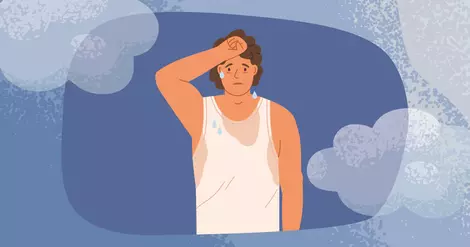
Night sweats appeared frequently in members’ stories. What made them surprising was how easily people found another explanation for them.
One MyLymphomaTeam member attributed the sweating to a different life change: “I had the night sweats as well. Thought it was menopause until I was diagnosed with lymphoma. Turns out that is the first symptom listed when you look it up.”

Drenching night sweats, unexplained fever, and significant weight loss without trying are known as B symptoms. A person doesn’t need to have all three to be considered to have B symptoms.
Night sweats can also happen for many other reasons, so they aren’t automatically a sign of lymphoma. If you’re experiencing persistent or unexplained night sweats, particularly along with other changes, tell your healthcare provider.
Fatigue can be difficult to pin down. It can occur with many health conditions, and cancer itself or its treatment can contribute to fatigue. Some MyLymphomaTeam members experienced significant fatigue before starting treatment.
“I find that I am extremely tired by 6 p.m. After dinner, I am done. Sleeping [in the] early evening has me up around 2 a.m.,” one member wrote.
Another member who had not undergone treatment also noticed fatigue: “Fatigue was the most unexpected when I was diagnosed in March, but weekly B12 shots have helped.”
Talk with your healthcare provider if fatigue is new, persistent, or interfering with your daily activities.
Digestive or body-weight changes may not immediately seem connected to lymphoma. However, lymphoma symptoms can vary based on where the cancer is in the body. When lymphoma affects the abdomen or digestive tract, symptoms may include:
“I was losing weight without trying, but I thought that was a great thing!” one MyLymphomaTeam member said.
Another member noticed seemingly contradictory changes: “My first symptom was an enlarged lymph node in my groin and, although I was losing weight, my abdomen was very large. It didn’t make sense!”
These problems can have many possible causes, including conditions unrelated to cancer. Unexplained weight loss or persistent digestive changes are worth bringing to your healthcare provider’s attention.
Pain was another unexpected symptom in members’ stories. Some described back or leg pain, while others experienced discomfort in their bones or joints. Pain in the chest, abdomen, or bones for no known reason is among the possible symptoms of NHL.
One MyLymphomaTeam member said, “I, too, had lots of leg and back pain. Most likely it was from an enlarged lymph node on my lower back. After treatment progressed, it all went away. … Well, almost.”
Most back, joint, and muscle pain isn’t caused by lymphoma. But pain that is unexplained, persistent, severe, or getting worse should be discussed with a healthcare professional.
Pruritus (itchy skin) might seem like an especially unlikely symptom to associate with lymphoma. Yet several MyLymphomaTeam members identified itching as one of the changes that surprised them.
One member described how difficult the itching could become: “I have NHL. I had 18 rounds of radiation to clear up my skin. … I have very itchy skin, and nothing seems to help.”
Itching, along with rashes, can occur with both Hodgkin lymphoma and some forms of NHL. It has many potential causes, from dry skin and allergies to other health conditions. It can also occur as a side effect of treatments such as radiation therapy.
If itching is persistent, severe, or accompanied by other unexplained symptoms, consider discussing it with your healthcare provider.
A cough or shortness of breath may lead you to think about a respiratory condition rather than lymphoma. For some people, however, breathing-related symptoms are part of their lymphoma experience. Cough and shortness of breath can occur when enlarged lymph nodes affect the chest.
“I started experiencing shortness of breath and chest tightness when not really exerting any effort. I kinda ignored it. Started getting tired during the day. Then I really thought I was having a heart attack,” one MyLymphomaTeam member shared.
Another was surprised that coughing could be related to cancer at all: “Coughing! (Cancer causes coughing??!!) Also night sweats (had no idea) and itchy skin (make it stop!!!).”
Tell your healthcare provider about new or worsening breathing symptoms. Seek emergency medical care if you have sudden or severe trouble breathing or chest pain or tightness, especially if these symptoms occur together.
Perhaps the most surprising experience is having lymphoma without feeling sick. Some people with lymphoma have no symptoms, and the cancer may be discovered during a routine examination or testing for another health concern.
“My biggest surprise was that I had no symptoms at all until I found an enlarged node. When scanned, I was stage 4 with mets to organs and bones,” a MyLymphomaTeam member shared. “Mets” is short for metastases, meaning cancer that has spread to other parts of the body.
Lymphoma doesn’t look or feel the same for everyone. These members’ experiences show that symptoms can be difficult to interpret and don’t tell the whole story.
One lesson stands out from MyLymphomaTeam members’ experiences: Lymphoma symptoms can be easy to overlook or attribute to something else. A person may think night sweats are caused by menopause, back pain comes from an old injury, or fatigue is simply part of a busy life. Some people may notice very little at all.
These experiences aren’t a checklist for diagnosing lymphoma. Instead, they’re a reminder to pay attention to changes in your body. If something new or unexplained persists, your healthcare provider can help determine what may be causing it.
Have you had any unexpected lymphoma symptoms, such as night sweats, fatigue, itching, or back pain? Share your experiences in the comments. Your perspective may help other members feel less alone and know what questions to ask their healthcare teams.
Continue with Facebook
Continue with Email
You'll also get the latest articles directly to your inbox.


You'll also get the latest articles directly to your inbox.
Get updates directly to your inbox.

 Continue with Facebook
Continue with Email
Continue with Facebook
Continue with Email
Become a member to get even more





 Join



 Your Privacy Choices