Follicular lymphoma (FL) is a type of non-Hodgkin lymphoma (NHL) and one of the most common low-grade NHLs, making up about 20–30% of all NHL cases. It's considered "indolent," meaning it grows slowly and is generally less aggressive than other lymphomas.
FL is a cancer of B cells — white blood cells that normally help Show Full Answer
Follicular lymphoma (FL) is a type of non-Hodgkin lymphoma (NHL) and one of the most common low-grade NHLs, making up about 20–30% of all NHL cases. It's considered "indolent," meaning it grows slowly and is generally less aggressive than other lymphomas.
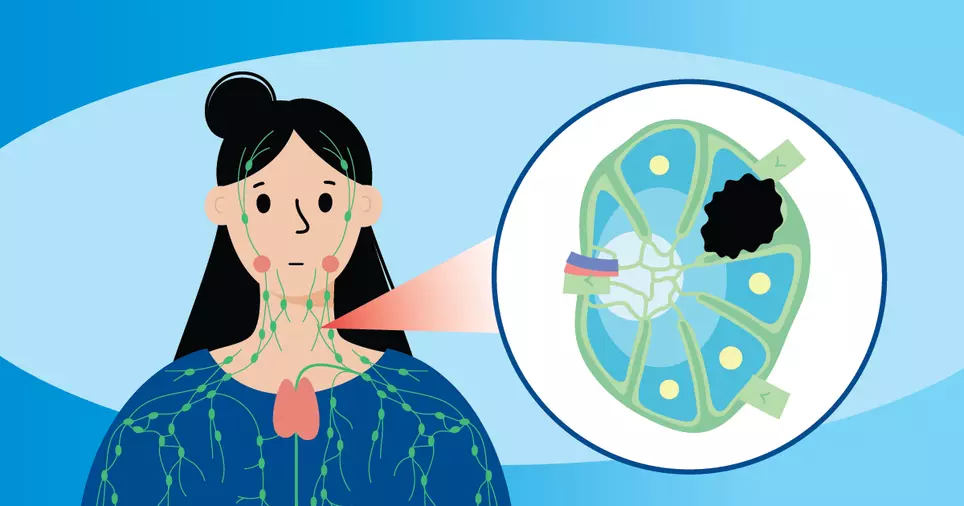
FL is a cancer of B cells — white blood cells that normally help fight infections by producing antibodies. In follicular lymphoma, these B cells become abnormal, grow uncontrollably, and build up in the lymph nodes and lymphatic system. Here are some key facts about follicular lymphoma:
- It's most commonly diagnosed in people aged 60 and older
- It affects both men and women, though it's slightly more common in women
- Around (Phone number can only be seen by the question and answer creators) new cases are diagnosed each year in the U.S.
- It is not currently considered curable with standard therapy, but it is often managed as a chronic condition
- Many people with FL can still achieve a normal lifespan with proper management Because FL grows slowly, it's sometimes discovered by chance during routine blood work before any symptoms appear. When symptoms do occur, they can include swollen lymph nodes, fatigue, and in some cases, signs of anemia like pale skin, shortness of breath, or lightheadedness.
It's always a good idea to discuss any new or changing symptoms with your oncology team so they can help determine the best path forward for you.
July 26






 Join
Join





 Your Privacy Choices